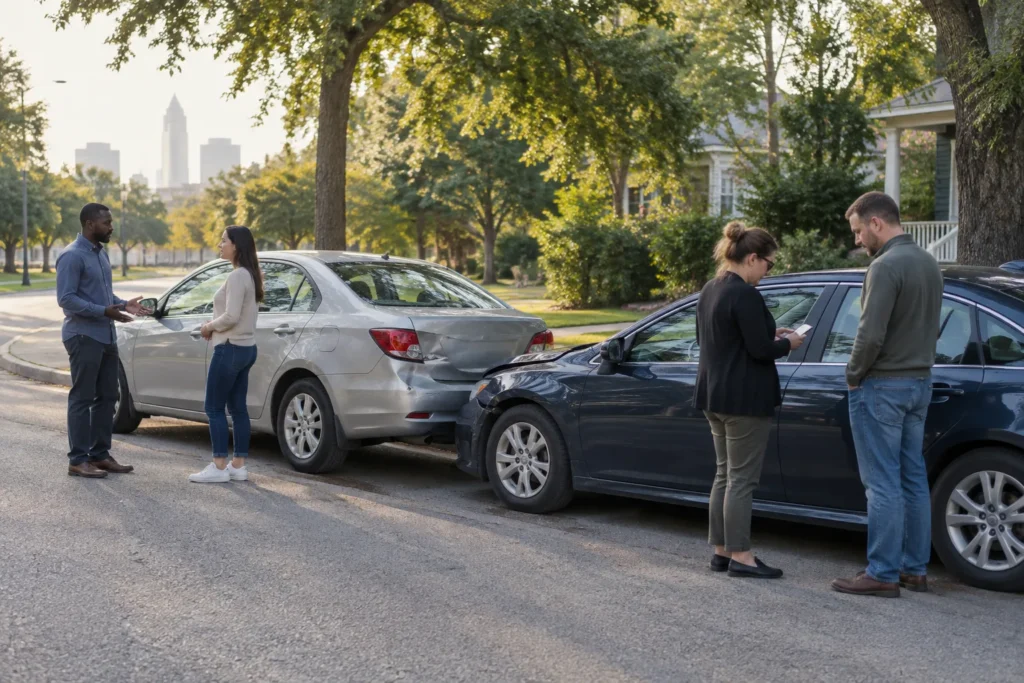
A crash involving several people can leave each injured person with separate losses but only one at-fault driver’s liability policy to consider. If you are dealing with multiple injury claims from one car accident insurance policy in Mississippi, the policy’s limits and the status of other claims may affect settlement discussions. In Jackson, a collision could involve injured drivers and passengers whose claims arise from the same event, even though their injuries and evidence differ.
Ballard Law helps people understand the issues that can shape a Mississippi car accident claim. This guide explains how shared limits may work, what insurance information may be useful to request, and why an early offer deserves review in context. The presence of other claimants does not, by itself, determine what any one person should receive.
How multiple injury claims can share one Mississippi policy
A liability policy may set a maximum amount available for injury claims involving one person and a separate maximum for all bodily injury claims from one accident. The exact terms and limits depend on the policy. If several people are hurt, the per-accident limit may become important because the total covered claims can exceed the amount available under that limit.
That does not necessarily mean each claimant receives an equal share. The value and support for each claim, the policy language, the number and status of claims, and the way the insurer handles the matter can all affect discussions. A person’s losses are individual, while a per-accident cap applies to the total amount available under the policy. Understanding how Mississippi crash policy limits may shape recovery can help clarify that distinction.
A limit is not an automatic payment formula
A policy limit is not the same as a settlement offer or a guaranteed amount for any claimant. Liability, causation, documented losses, and policy terms still matter. The insurer may need to assess multiple claims, and claimants may not all be at the same stage of treatment or documentation.
In Jackson, several people injured in one collision may have separate claims even if they are contacting the same insurer. The claims may also involve different drivers or vehicles, so identifying the policies that could apply is an important part of understanding the available coverage.
What insurance information should claimants ask about?
An injured person may not know whether the at-fault driver has enough coverage to address multiple claims. Depending on the circumstances, it may be useful to ask the insurer or its representative for written information about the applicable liability coverage, including whether the limits are per person, per accident, or both. The response and what information can be disclosed may depend on the circumstances and applicable rules.
Useful questions to raise may include:
- Which driver’s policy is being considered, and what coverage is the insurer evaluating?
- What are the applicable bodily injury limits, and do they include a per-person and per-accident cap?
- Has the insurer received notice of other injury claims from the collision, and are any claims resolved or still being evaluated?
- Are other vehicles, drivers, or insurance policies potentially involved?
- What documents or information does the insurer need to assess the claim?
These questions can help a claimant understand the discussion, but an insurer’s answer may not resolve every coverage issue. Passengers, for example, may have claims arising from the crash, and the drivers, vehicles, and policies involved can matter. Read more about how an injured passenger may have other claim options.
If the at-fault driver’s coverage may not be enough, an injured person’s own policy could be worth reviewing. Whether your own underinsured motorist coverage may apply depends on the policy language and the facts, including how the applicable coverage coordinates. It should not be assumed to provide additional payment in every case.
For a Jackson-area claim, the investigation may involve records from the responding law enforcement agency and communications with one or more insurers. If a dispute proceeds to court, the proper court and filing location depend on the claim and procedural rules; a Jackson-area civil matter may involve Hinds County courts. Local context does not change the need to establish the relevant facts and applicable coverage.
Why an early offer deserves review in context
An insurer may discuss settlement before every part of a claim is fully documented. Treatment, information about the injury, and related financial losses may still be developing. At the same time, other people may be making claims against the same policy. The existence of those claims alone does not establish that an offer is fair, unfair, or the only option.
Before deciding whether to resolve a claim, a person may want to understand what the offer covers and what accepting it would mean. Consider whether the proposal addresses the losses being claimed, whether important information is still pending, and whether the paperwork affects claims against particular parties. Why an early crash settlement offer may not reflect the full picture is one issue to consider when information is still developing.
A release can have significant effects on the claim it covers. Read what a Jackson car accident settlement release may affect before signing, and consider which parties and claims the document identifies. The terms matter; a general statement that payment is available does not explain the full effect of the release.
A claimant may also want to keep clear records of communications, offers, and information provided to the insurer. In a multi-claimant situation, it can be helpful to ask what remains unresolved and whether any deadlines or requested documents apply. The right next step depends on the particular policy, the claim, and the stage of the matter, so a licensed attorney can evaluate those details.
Frequently Asked Questions
Does everyone injured in the crash make a claim against the same policy?
Not always. Several people may make claims under one driver’s policy, but the crash could also involve other drivers, vehicles, or insurance policies. The available coverage depends on the facts, who may be legally responsible, and the terms of each policy. A passenger’s possible claim, for example, may require looking beyond the policy for the vehicle they occupied. Identifying the relevant parties and policies can help clarify the coverage picture.
Are the policy limits divided equally among injured people?
There is no general assumption that claimants receive equal shares simply because they were injured in the same crash. The policy terms, the claims presented, the evidence supporting each person’s losses, and the status of the claims may all matter. A per-accident limit can cap total liability coverage, but it does not by itself set an individual claimant’s payment. The insurer’s handling and applicable law may also affect how the matter is resolved.
Can I ask whether other people have claims against the policy?
You can ask the insurer or its representative whether other claims have been reported and what information about the available coverage can be provided. The insurer may limit what it can disclose, and the answer may depend on the claim and applicable rules. A written response can help clarify what the insurer says about coverage, but it may not resolve every question about other claims or the policy’s application.
What if the driver’s policy does not cover all the claims?
If the available liability coverage appears limited, other potential sources may be worth examining. Depending on the facts and policy language, those sources could include coverage under another involved driver’s policy or the injured person’s own underinsured motorist coverage. Whether any additional policy applies is not automatic. The relevant policies, claim facts, and any coordination provisions need to be assessed before drawing conclusions.
How Ballard Law Can Help
When several people seek payment after one collision, understanding the coverage and the status of other claims can be as important as documenting one person’s losses. Ballard Law is committed to helping injured people in Jackson understand the questions that may arise, review available insurance information, and consider how an offer or release could affect a claim. The firm is ready to evaluate your situation based on its particular facts and applicable policy terms. Contact Ballard Law to request a free consultation or case evaluation and discuss your questions.
The information in this article is for educational purposes only and does not constitute legal advice. Laws vary by location and may change after publication; contact a qualified attorney licensed to practice in Mississippi for advice specific to your situation.