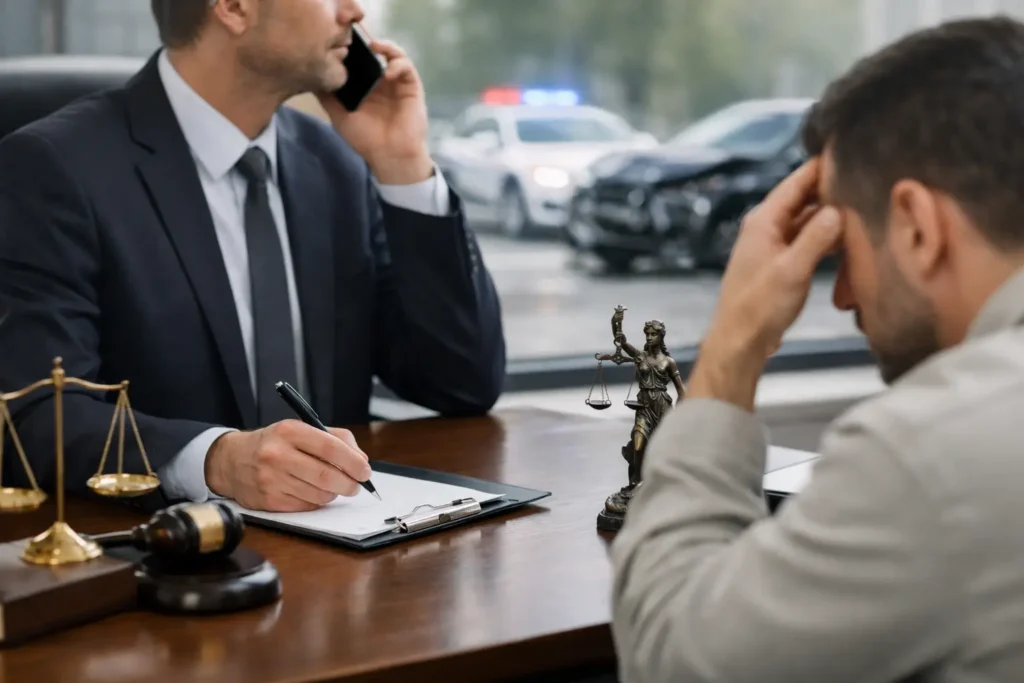
The other driver says they are sorry. The insurance adjuster sounds friendly. Your vehicle can still move, and you think the soreness will pass. Then the medical bills arrive, work becomes harder, and the adjuster asks for a recorded statement. That is often when people realize the question is not whether a crash was serious at the scene, but when should an accident lawyer be called to protect their claim.
The short answer is: call as soon as an accident causes an injury, creates a dispute over fault, involves a commercial vehicle, or puts an insurer between you and a fair recovery. You do not have to wait until a claim is denied or a lawsuit is necessary. Early legal advice can protect evidence, stop harmful insurance tactics, and give you room to focus on medical care.
When Should an Accident Lawyer Be Called?
An accident lawyer should be called promptly when there is any meaningful chance that the crash will affect your health, income, or family. What looks minor on the roadside can become a serious claim days later. Soft-tissue injuries, concussions, back injuries, and internal injuries may not show their full effects immediately.
Calling early does not mean you are overreacting or committing to a lawsuit. It means you are getting clear answers before an insurance company shapes the story around what helps its bottom line. A lawyer can explain your options, identify the evidence that matters, and take over communications that could otherwise be used against you.
You should be especially cautious if you left the scene in an ambulance, sought urgent care, missed work, or expect continuing treatment. Medical records are central to an injury claim, but they must tell a consistent story. Waiting too long to seek care or allowing gaps in treatment can give an insurer an opening to argue that your injuries were unrelated or not serious.
Injuries Change the Stakes
A property-damage claim and an injury claim are not the same thing. Insurers may resolve vehicle repairs quickly while taking a far harder position on medical expenses, lost income, pain, and future care. Once you accept a settlement and sign a release, you may give up the right to pursue additional compensation, even if your condition worsens.
If a doctor has recommended follow-up treatment, physical therapy, imaging, surgery, or time away from work, speak with a lawyer before accepting a final settlement offer. The value of a claim is not limited to the bill already in your mailbox. It may include future medical needs, wages you cannot earn, and the daily limitations an injury places on your life.
This is particularly true after a crash involving a head injury or a back and neck injury. A person may feel able to push through at first, only to discover later that lifting, driving, sleeping, or working a full shift has become difficult. Do not let an insurer rush you into valuing an injury before you understand it.
Call Fast When Fault Is Disputed
The other driver may deny what happened before the vehicles are even towed away. They may claim you were speeding, failed to yield, changed lanes, or had the last clear chance to avoid the collision. In Mississippi, disputes over fault can directly affect what compensation is available. That makes evidence critical.
Photographs, witness contact information, police reports, damaged vehicles, nearby surveillance footage, and electronic vehicle data can all help establish what happened. But some of that evidence disappears quickly. Camera footage may be recorded over. Witnesses may become difficult to locate. Vehicles may be repaired, sold, or destroyed.
A lawyer can move quickly to investigate the crash and preserve evidence before the other side has a chance to control the record. Do not assume a police report settles every question. It is useful evidence, but it can contain mistakes, omit important details, or be challenged by the insurer.
Truck Accidents and Company Vehicles Require Early Action
A collision with an 18-wheeler, delivery van, construction vehicle, or other company-owned vehicle deserves immediate legal attention. These cases can involve more than one responsible party, including the driver, trucking company, vehicle owner, cargo company, maintenance provider, or another contractor.
Commercial carriers often have investigators and insurance representatives working quickly after a wreck. Their goal is to protect the company. An injured person deserves someone focused just as strongly on preserving the truth and pursuing accountability.
Records such as driver logs, inspection reports, maintenance records, dispatch communications, hiring files, and onboard electronic data may matter. The longer you wait, the greater the risk that crucial evidence is lost or harder to obtain. A serious truck accident is not a claim to handle through casual phone calls with a corporate insurer.
Do Not Give a Recorded Statement Without Advice
An adjuster may ask for a recorded statement shortly after the accident. They may say it is routine or necessary to move your claim forward. Their questions can sound harmless: How fast were you going? Are you hurt? Have you had this pain before?
The problem is not that you should hide facts. The problem is that you may be in pain, confused, medicated, or unaware of the full extent of your injuries. A brief answer can later be taken out of context. Saying you are fine because you are trying to be polite can become part of an argument that you were never seriously hurt.
You can report the crash and cooperate with your own insurer as required by your policy. But before giving a detailed recorded statement, signing broad medical authorizations, or agreeing to a settlement, get legal guidance. A lawyer can handle the insurer and make sure your rights are not traded away for a quick, inadequate payment.
A Denial or Low Offer Is a Clear Warning Sign
If an insurer denies your claim, blames you for the crash, questions whether treatment was necessary, or offers an amount that does not cover your losses, call a lawyer immediately. Insurance companies use formulas and internal evaluations. Those numbers may not reflect the real consequences of an injury on your job, your family, or your future.
Low offers are often designed to test whether an injured person is under enough financial pressure to settle. The offer may arrive while medical bills are mounting and paychecks have stopped. That pressure is real, but it should not force you to accept less than your claim may be worth.
A strong claim requires more than a demand for money. It requires evidence, medical documentation, a clear account of fault, and the willingness to push back when an insurer refuses to deal fairly. Ballard Law, PLLC approaches injury cases with that urgency and personal attention.
Wrongful Death Claims Should Never Wait
When a loved one is killed because another person or company acted carelessly, surviving family members are left with grief and immediate legal and financial questions. Insurance representatives may still call. Bills may still arrive. Evidence still needs to be preserved.
A wrongful death claim can involve complicated questions about liability, damages, and who has the legal authority to bring the claim. Families should not have to sort through those issues alone while they are mourning. Speaking with an attorney early allows the legal work to begin while the family has space to care for one another.
Waiting Can Cost More Than Time
Every case has deadlines, and some claims have shorter notice requirements, especially when a government entity may be involved. The exact deadline depends on the facts, the parties, and the type of claim. Waiting until the deadline is close can limit investigation and put unnecessary pressure on your case.
More commonly, delay weakens a claim because proof fades. A witness forgets details. A treating provider no longer has a clear picture of how symptoms began. The vehicle that showed the force of the collision is repaired. The insurance company gains time to build its defense while you are still deciding what to do.
You do not need to know every legal rule before making the call. Save photographs, keep copies of medical paperwork, follow your doctor’s instructions, and avoid posting about the accident or your injuries on social media. Then speak with a lawyer who will listen to what happened and explain the next step plainly.
If an accident has left you injured, uncertain, or pressured by an insurer, trust that concern. Getting legal help early can protect the evidence, the claim, and the recovery you need to move forward.