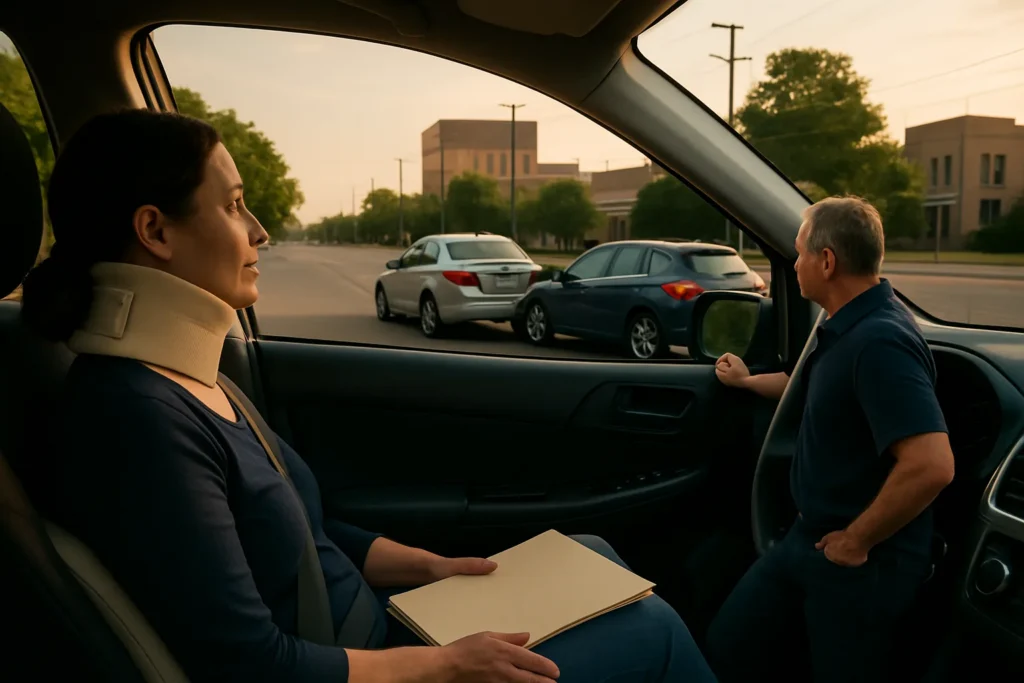
A collision can leave a person with pain that is not fully understood during the first emergency visit. If back or neck symptoms continue, a reader may reasonably ask: can a Jackson, MS crash create future spinal-care costs, even when the initial bills seem manageable? A Jackson car accident attorney may help an injured person examine how ongoing symptoms and possible future treatment fit into a claim.
Spinal injuries can involve more than a hospital visit. Depending on the medical findings, future care may include specialist evaluations, diagnostic testing, injections, surgery, physical rehabilitation, assistive equipment, home support, or changes at work. Ballard Law helps injured readers understand why these issues should be documented before a claim is resolved. This article explains how future spinal-care needs are identified, what records may support them, and why an early settlement may not account for losses that have not yet become clear.
How Could a Jackson MS Crash Create Future Spinal-Care Costs?
The full impact of a spinal injury may not be apparent immediately after a wreck. Emergency providers often focus on urgent conditions, while symptoms such as stiffness, radiating pain, numbness, weakness, or reduced range of motion may become clearer during follow-up care. A person who initially feels able to move may later have difficulty sitting, lifting, sleeping, or completing routine activities.
Delayed or changing symptoms matter
Changes in symptoms should be communicated to medical providers. Readers can also review information about delayed pain after a Jackson car wreck, including why later-reported symptoms should be documented rather than dismissed. Medical professionals—not an insurer, claimant, or attorney—must evaluate the cause and significance of those symptoms.
A future-care assessment may consider the treatment already received, imaging, physical findings, response to therapy, and whether a physician recommends additional care. A specialist may discuss the possibility of surgery without saying that surgery is certain. That distinction matters: a potential procedure, repeated therapy, or long-term medication may be relevant to damages, but the evidence should reflect the provider’s actual opinion and level of medical certainty.
The level and severity of injury can change the outlook
A spinal-column injury and a spinal-cord injury are not interchangeable descriptions. The location and severity of damage may affect mobility, sensation, strength, independence, and the need for assistance. General information about the five levels of spinal cord injury can provide background, but only qualified medical professionals can address an individual’s prognosis.
What Evidence Supports Future Medical Expenses After a Car Accident?
Future medical expenses are often difficult to estimate because they involve care that has not happened yet. In a Mississippi personal injury claim, the available evidence may include medical records, physician opinions, treatment plans, rehabilitation recommendations, and information about expected functional limits. The goal is not to guess at a large number; it is to connect a documented crash-related injury to reasonably supported future needs.
Useful evidence may include:
- Specialist referrals and consultation notes;
- Imaging reports and records of prior and current treatment;
- Physical or occupational therapy evaluations;
- Written restrictions involving lifting, standing, sitting, or driving;
- Recommendations for surgery, injections, rehabilitation, or assistive equipment;
- Information about home modifications or personal assistance;
- Bills, explanations of benefits, lien notices, and records showing who paid for care.
A life care plan after a car accident may be considered in more serious cases. This type of organized projection may address medical treatment, rehabilitation, equipment, support services, and other needs over time. Whether such a plan is appropriate depends on the injury and available professional opinions. It is not a guarantee of future treatment or a substitute for medical testimony.
Payment issues can also complicate ongoing care. Readers may benefit from reviewing how to document who pays medical bills after a Mississippi crash. Keeping invoices, insurance communications, benefit statements, and lien information can help clarify the financial history of treatment. People should not make medical decisions based solely on a claim’s payment status; treatment questions belong with healthcare providers, while claim-payment questions may warrant legal guidance.
When future treatment extends beyond current records, an attorney may consult medical and financial professionals as appropriate. Information about how Mississippi personal injury settlements are determined can help explain why liability, prognosis, permanency, anticipated care, and income effects may matter—not just the total of bills received so far.
What Should Jackson Crash Victims Track Before Resolving a Spinal Claim?
Careful tracking can help show how an injury affects daily life over time. A symptom journal might record pain patterns, numbness, weakness, mobility changes, sleep disruption, medication effects, therapy attendance, and activities that have become difficult. It should be accurate and factual, not exaggerated. Medical records remain especially important because they preserve clinical observations and provider recommendations.
Work restrictions and assistance needs
Spinal symptoms may affect hours, job duties, attendance, or the ability to return to the same occupation. Physician restrictions, missed shifts, reduced hours, job changes, and vocational information may help assess lost wages and future earnings after a Mississippi accident. Future earning effects can be difficult to evaluate, particularly when a person is early in a career or considering a physically demanding job.
Readers may also track help provided with bathing, dressing, transportation, household tasks, childcare, or other activities. These needs should be discussed with medical providers and documented carefully. A serious spinal-cord injury or other catastrophic injury may involve long-term assistive needs, but the type and duration of support must be established through case-specific evidence.
Preexisting conditions and early releases
A prior diagnosis does not automatically answer whether a crash caused a new injury or worsened an existing one. Arthritis, earlier surgery, chronic pain, or a prior fracture may become part of the analysis. Comparing pre-crash function and records with post-crash findings may help address whether the collision caused an aggravation. Ballard Law provides additional information about how a prior condition may affect a Jackson crash claim.
Before accepting an offer, an injured person may want to understand whether the proposed release addresses future medical care, liens, and unresolved symptoms. Information about signing a Jackson car accident settlement release explains why a release can have lasting legal consequences. In Jackson, MS and throughout Mississippi, claim procedures and legal standards can vary by the facts and may change over time. Depending on the circumstances, an attorney may review whether the prognosis and future losses are sufficiently understood before a claim is finalized.
It is also important to keep organized records. Ballard Law’s guidance on documenting accident injuries for a Mississippi claim discusses practical ways to preserve information about symptoms, restrictions, treatment, and day-to-day effects. These records do not prove every element of a claim by themselves, but they may help create a clearer timeline for medical and legal review.
Frequently Asked Questions
Can a spinal injury appear after the first medical examination?
Yes, symptoms can become more noticeable after the initial evaluation, but a medical provider must assess whether later symptoms relate to the collision. Back pain, neck pain, numbness, weakness, or limited movement should be reported accurately and promptly. Follow-up records can help show the progression of symptoms and the treatment recommended over time. An insurer’s position may differ from the conclusions reached by treating professionals.
What is a life care plan in a car accident claim?
A life care plan is a structured projection of future medical, rehabilitation, equipment, and support needs associated with a serious injury. Depending on the case, it may be prepared or supported by qualified medical, rehabilitation, and economic professionals. It does not guarantee that every projected service will be needed. Its usefulness depends on reliable records, appropriate assumptions, and opinions that connect the projected care to the crash-related condition.
Can a prior back problem affect a Mississippi crash claim?
It can affect the evidence and arguments concerning causation and damages, but it does not automatically eliminate a claim. The analysis may compare the person’s pre-crash condition, function, treatment, and records with post-crash symptoms and findings. Physician opinions may be important in distinguishing an unchanged condition from an accident-related aggravation. Mississippi law and claim outcomes depend on the facts, evidence, and applicable legal standards.
Why can work restrictions matter in a spinal injury claim?
Work restrictions may show how spinal symptoms affect the ability to perform essential duties, maintain hours, or remain in the same occupation. Relevant information can include provider restrictions, attendance records, reduced earnings, job changes, and vocational or economic analysis. These materials may help evaluate both current wage loss and possible future earning effects. They should be supported by accurate records rather than estimates based only on fear about future employment.
How Ballard Law Can Help
Ballard Law is dedicated to helping injured people in Jackson, MS understand the broader consequences of a serious crash. The firm is committed to fighting for a complete, evidence-based evaluation of spinal symptoms, specialist recommendations, rehabilitation, home assistance, work limitations, and other potential losses. Depending on the circumstances, the team may review medical records, treatment history, insurance communications, and the risks of resolving a claim before future care is understood.
If you are considering a spinal injury car accident lawyer in Jackson MS, contact Ballard Law for a free consultation or case evaluation. A licensed attorney can discuss your situation and help you explore your legal options.
The information in this article is for educational purposes only and does not constitute legal advice. Contact a qualified attorney licensed in Jackson, MS for advice specific to your situation.